AI Virtual Staging for Real Estate: An Honest Guide to Staging, Disclosing, and Selling Faster
 Matúš Koleják
An empty room is a hard thing to sell. Buyers walk into a bare listing photo and feel the echo, not the home.
Traditional staging fixes that, but it is slow and expensive, and you cannot exactly truck furniture into every vacant flat on your books. That is the gap AI virtual staging fills: upload an empty room photo, and within seconds you have a furnished, lived-in version that helps a buyer picture themselves there.
It is cheap, it is fast, and used carelessly it will land you in trouble.
We build AI systems for businesses, so we look at this past the demo. Here is the practical version: whether staging actually helps you sell, how to do it so it looks real, what it costs, the disclosure rules you cannot ignore, and the moment to put the tool down.
What AI virtual staging is, and what it is not
AI virtual staging adds digital furniture and decor to a photo of a real, empty space. The room is real. The light is real. The furniture is not. Done well, the result looks like a photographer staged and shot the room.
It is worth being precise about what this is not. It is not a renovation preview, and it is not a redesign of the actual space. You are not changing the walls, the floors, or the bones of the room. You are dressing an existing space so a buyer can read it.
That distinction matters, because the second you start changing what the room actually is, you cross from helpful staging into misleading a buyer.
Does virtual staging actually help sell or rent a property?
The short answer is yes, when the alternative is an empty room.
Furnished spaces help buyers understand scale and flow, which an empty box does not. Listing photos are where most buyers form their first impression, and a staged photo simply gives them more to connect with. The practical effect agents report is more clicks, more saved listings, and more showings booked, which is the funnel that eventually produces an offer. Short-term rental hosts get similar mileage from the same idea, though the honesty rules bite harder because guests arrive in person, which we cover in AI interior design for Airbnb hosts.
Where it works best
- Vacant properties, where there is no furniture to photograph and traditional staging is costly.
- Rentals, where landlords want a unit to look inviting without furnishing it for real.
- Multiple styles, showing one room in two or three looks so it speaks to more than one type of buyer.
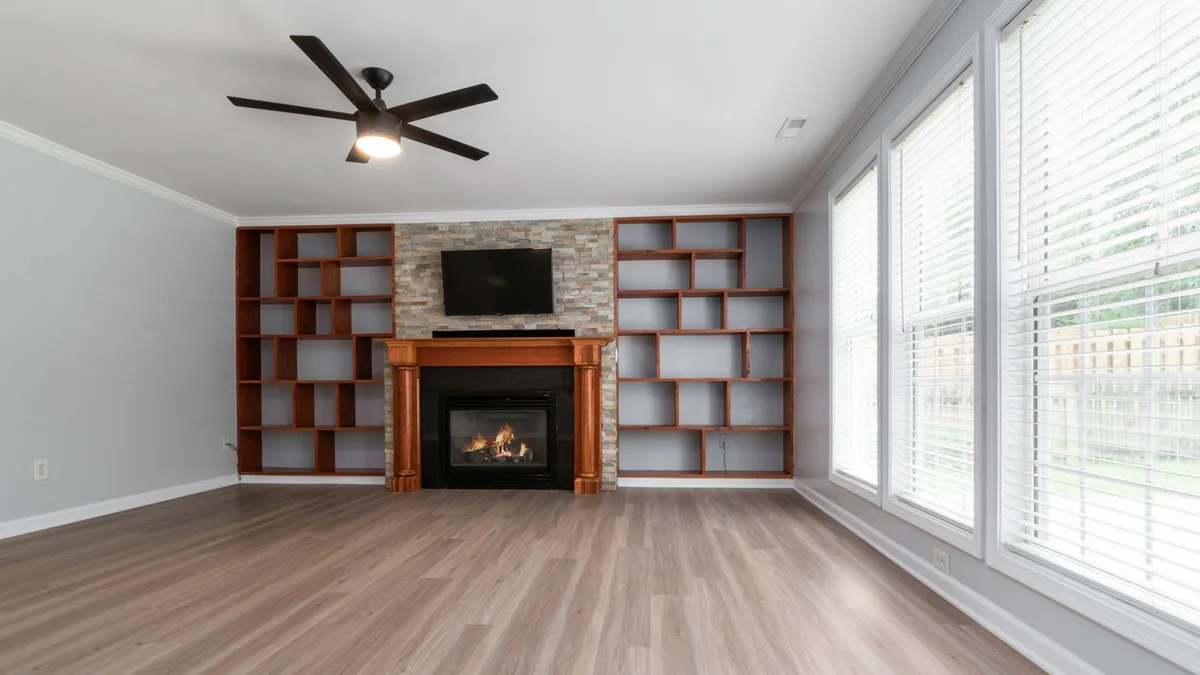
The starting point: a clean, empty room. This is where virtual staging earns its keep.
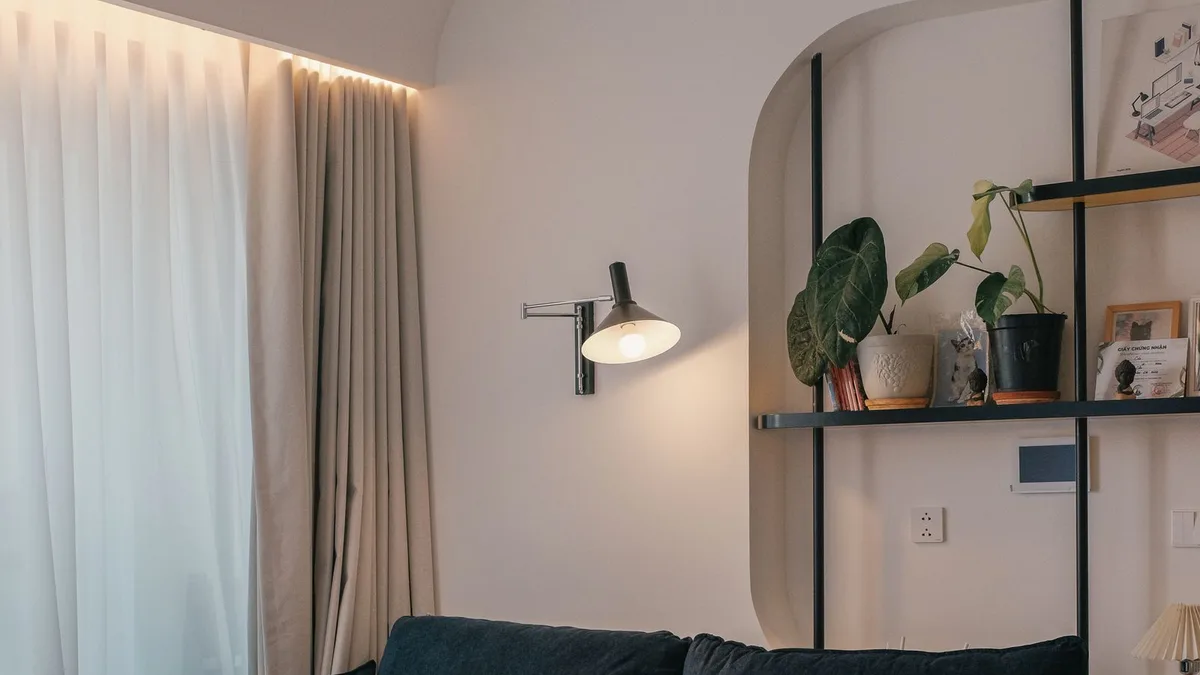
The same kind of space, dressed. Furniture helps a buyer read the room and picture themselves living there.
How to stage a house with AI, step by step
The difference between staging that helps and staging that screams "fake" is almost entirely in the execution.
1. Prep and clear the room
Start with a genuinely empty, clean room. Remove the leftover bins, the lone chair, the boxes in the corner. AI staging works best on a blank canvas and struggles to place believable furniture around real clutter.
2. Shoot photos that stage well
Good input is everything.
- Shoot from a corner at roughly chest height to capture the room's depth.
- Keep the camera level so walls stay straight.
- Use even, natural light.
A straight-on, well-lit photo gives the AI a clean stage. A dim, tilted phone snap does not.
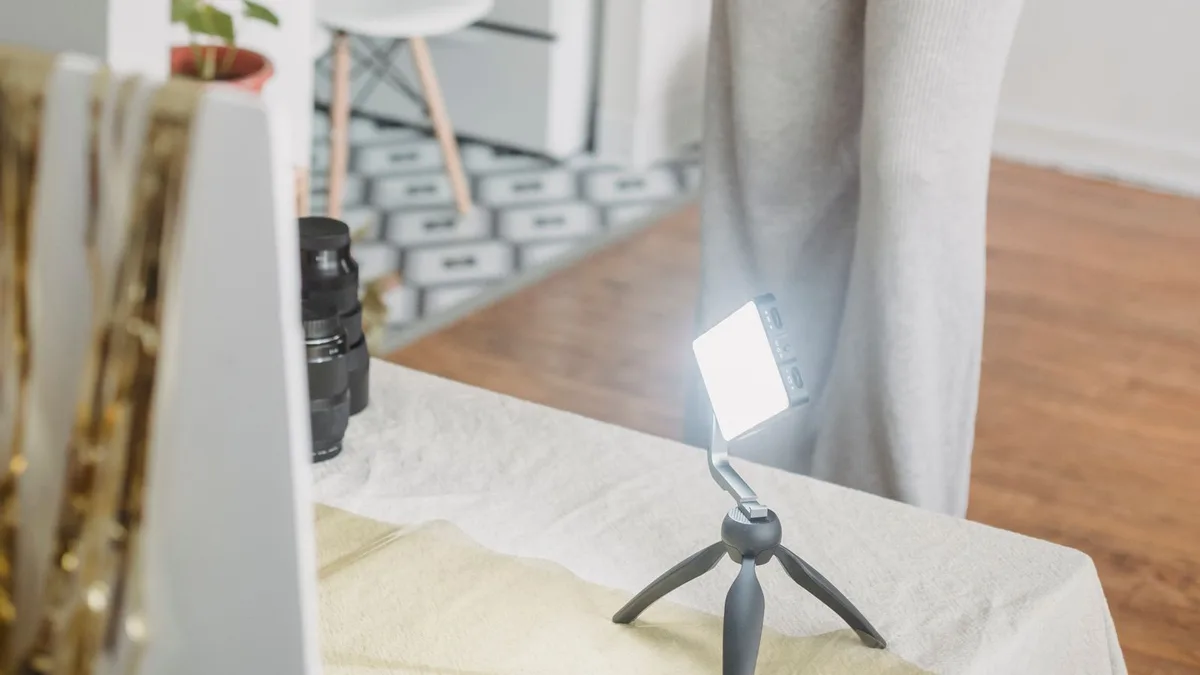
Staging quality is decided at the camera. A level, well-lit corner shot does most of the work.
3. Keep the style consistent across the listing
This is the giveaway amateurs miss. If the living room is mid-century modern and the bedroom is farmhouse rustic, the listing feels off even if no single photo does. Pick one style and carry it through the whole property, the way a real stager would.
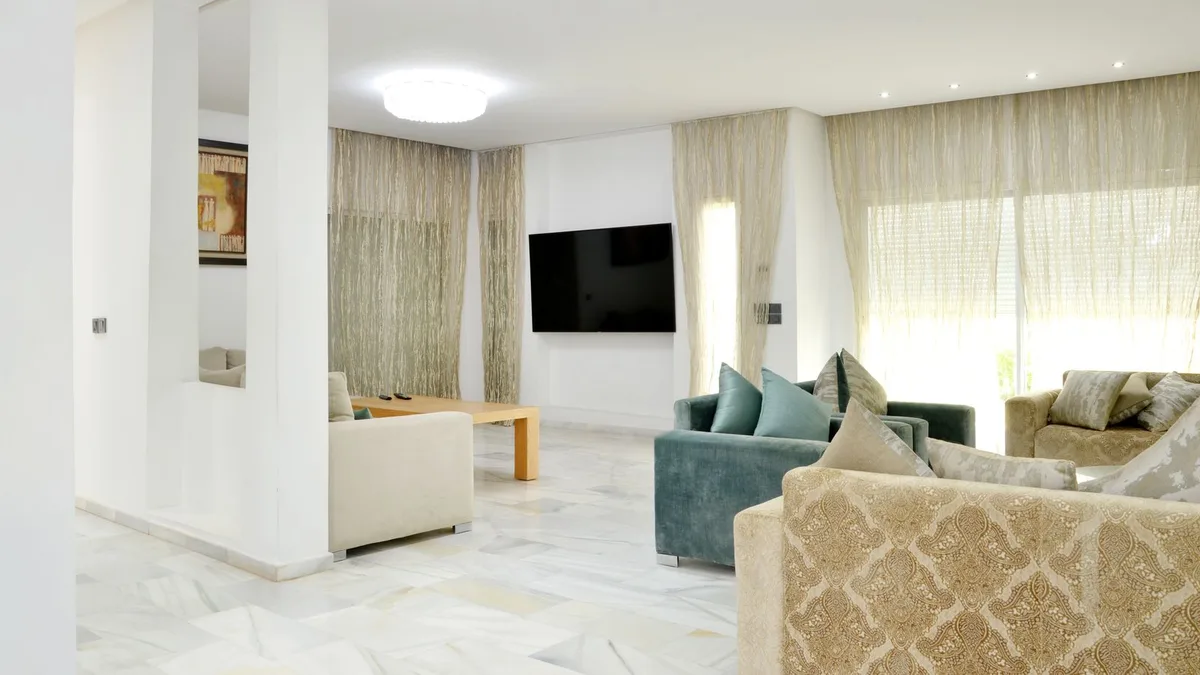
One consistent style across every room reads as professional. Mismatched rooms read as fake.
4. Quality check the result
Before anything goes live, look hard for the tells:
- Furniture floating slightly off the floor.
- Shadows falling the wrong way.
- A rug that bends where it meets the wall.
- Reflections that do not match.
These artifacts are what make a render look fake, and they are exactly what a careful eye catches and rejects.
What it costs versus traditional staging
The economics are the easiest part of the case.
- Traditional staging typically runs into the hundreds or thousands per property once you account for furniture rental, delivery, and the weeks it sits in place.
- AI virtual staging is usually a small flat fee per photo, often a few dollars to a few tens of dollars, delivered the same day.
For a vacant listing, that is the difference between a cost you think twice about and one you barely notice. The trade-off is honesty, not money. Traditional staging puts real furniture a buyer will see at the showing. Virtual staging does not, which is exactly why the disclosure rules below are not optional.
Is virtual staging legal? Disclosure and the rules that matter
Virtual staging is legal and widely used. Hiding it is what gets people in trouble. Rules vary by region and by the body you answer to, so treat this as the principle, not legal advice for your specific market.
Disclose it, clearly
The universal rule: never let a buyer believe digital furniture is real. Most professional standards, including agent codes of ethics, require that edited or staged images are not presented as a true picture of the property. The safe habit is to label staged photos plainly, with a caption like "virtually staged," somewhere a buyer will actually see it.
The one-unstaged-photo rule
A practice that keeps you well clear of trouble: always include at least one unedited photo of the same room. Show the empty version alongside the staged one. The buyer gets the inspiration and the truth, and nobody can claim they were misled.
What you must never alter
Staging dresses a room. It does not fix it. Do not use AI to hide structural defects, paint over damage, remove or add walls, invent windows, or change the real dimensions of a space. The line is clear: you can help a buyer imagine the room furnished, but you cannot misrepresent what the room actually is.

Disclosure is not a footnote. Label the staged photo and pair it with the real one.
When not to use virtual staging
Sometimes the honest move is to skip it.
- An occupied, furnished home rarely needs it, and restaging around real furniture tends to look wrong.
- A property whose main issue is condition is not helped by pretty furniture. The buyer finds out at the showing and feels deceived.
- If you cannot stage it without implying a defect is gone, do not stage it at all.
Trust is the asset you are protecting. One "this looked nothing like the photos" review costs more than the staging ever saved.
Building staging into a repeatable listing workflow
Here is what we tell every client. Staging one photo is easy. Doing it consistently across every listing, on brand, on time, and on the right side of the disclosure rules, is the part that actually takes work.
For a busy agency, the real cost is not the render. It is the back and forth: getting the photos, choosing a style, running them through a tool, checking the output, adding the disclosure label, attaching the unstaged version, and getting it all into the listing before the property goes live.
That repeats for every property, and it is exactly the kind of work a connected system handles well, so each listing flows from raw photos to compliant, staged, published images with a person checking quality rather than doing the busywork.
That is what we design and deploy at MeltFlex Solutions. The staging tool is the raw material. The repeatable, compliant pipeline around it is where an agency actually gets its time back. You can see the staging and restyling engine we built in our MeltFlex AI case study.
Staging is one job in a bigger toolkit. If you want the furniture to be pieces a buyer could actually order, see placing real furniture in a room photo. To dress the outside of a property, see AI exterior design from a photo. And to set a listing photo in motion, see turning a still into a video walkthrough.
The goal is not a prettier photo. It is a faster sale you never have to apologise for.
Questions people ask us
Is virtual staging legal? Yes, as long as you disclose it and do not use it to misrepresent the property. The problem is never staging itself, it is hiding that you did it.
Do I have to disclose virtual staging? In practice, yes. Professional standards expect edited photos to be labelled, and the safe habit is a clear "virtually staged" caption plus one unedited photo of the same room.
Does virtual staging help a home sell faster? It helps an empty listing get more clicks and showings by helping buyers picture the space. It supports the sale, it does not replace fair pricing and real condition.
Is AI virtual staging worth it, or does it look fake? Done with good input photos and a careful quality check it looks convincing. Rushed staging on bad photos is where the fake look comes from.
Can you virtually stage an occupied room? You can, but it usually looks wrong around existing furniture. Virtual staging is at its best on clean, empty spaces.
What can virtual staging never do? It must never hide defects, alter real dimensions, remove walls, or invent features. It dresses a room, it does not change what the room is.
So that is the honest guide. AI virtual staging is a genuine edge for selling and renting in 2026, it is fast and cheap, and the real skill is doing it convincingly and disclosing it properly. The win is not the render. It is a quicker sale and a buyer who still trusts you at the showing.
Sources and further reading
- Profile of Home Staging - National Association of Realtors research on staging and buyer behaviour.
- Code of Ethics - the NAR standards that cover honest advertising and image disclosure.
- Home staging - Wikipedia overview of staging, including virtual staging.
Want to turn listing photos and staging into a repeatable, compliant system for your team? Book a free call and we will map out where automation pays off fastest.
Image credits: photos via Pexels (Juliane Monari, Curtis Adams, Huy Phan, George Milton, Moussa Idrissi, RDNE Stock project).