AI Receptionist for Plumbers and HVAC: Stop Losing Jobs to Missed Calls
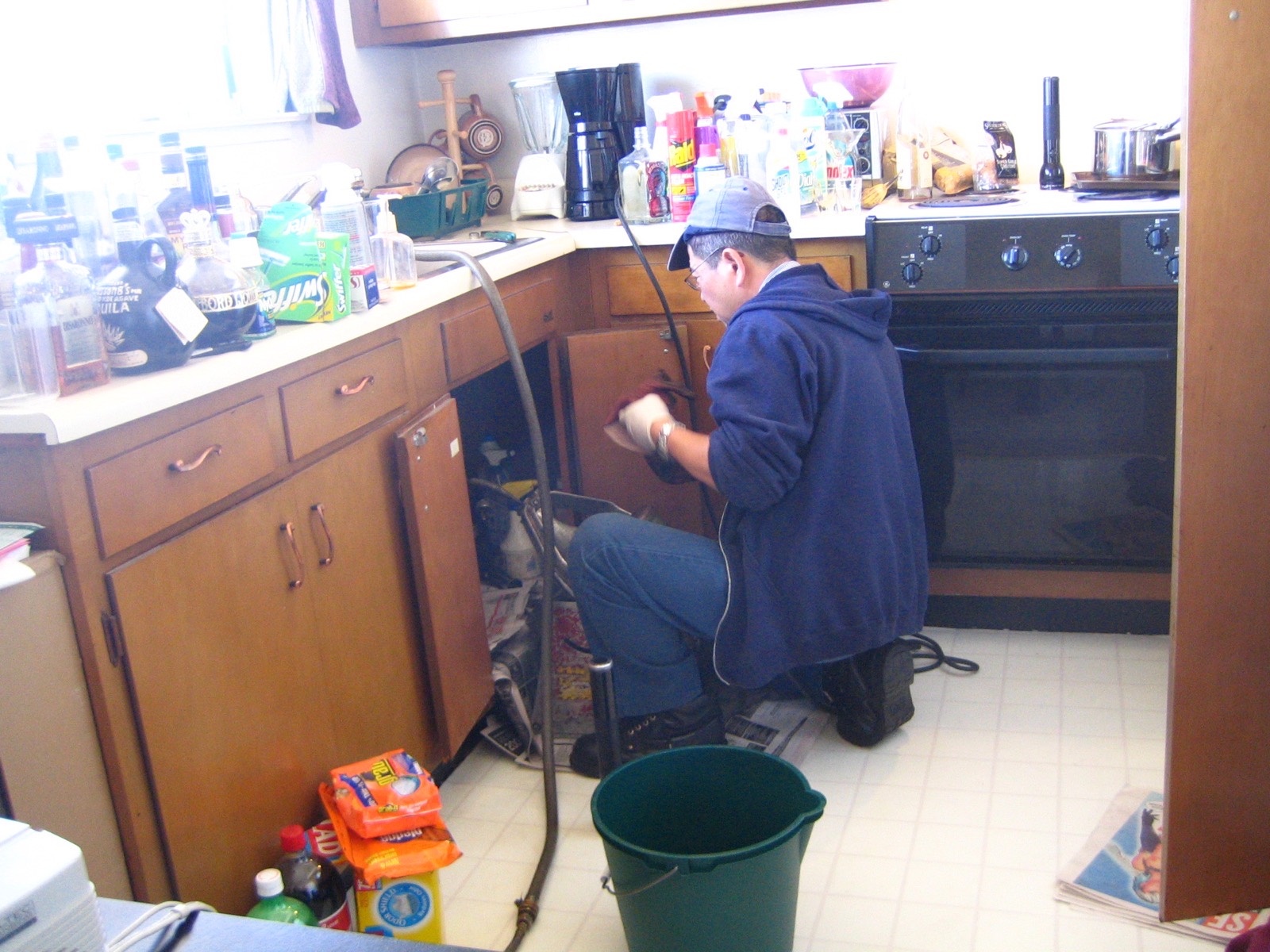
If you run a plumbing or HVAC business, your phone is your cash register. The problem is that you cannot answer it with your hands inside a boiler. So the call rings out, the caller hangs up, and by the time you climb down off the job the lead has already rung the next name on the list.
This is not a small leak. It is one of the most expensive and least visible problems a trade business has. Below is an honest look at how an AI receptionist fixes it, what it can and cannot do, and how to set one up so it actually sounds like your business instead of a generic robot.
How many calls a plumber or HVAC business really misses
The numbers are worse than most owners think. Studies of home service businesses put the share of unanswered inbound calls at roughly six in ten. The reasons are obvious once you say them out loud: you are under a sink, up a ladder, driving between jobs, or it is simply after hours.
What happens next is the painful part. Around 85 percent of callers who hit voicemail never call back, and a large share ring a competitor instead. A missed call is not a delayed lead. It is usually a lost one.
Now put a price on it. A first plumbing service call commonly runs in the high hundreds, and the lifetime value of a retained plumbing customer is often quoted between roughly 3,300 and 9,000. For HVAC it is higher again, because of service agreements and eventual system replacements, with lifetime value figures around 15,000. Miss two or three of those a week and you are not losing phone calls. You are losing a second van.
Why trades miss calls more than most businesses
A solicitor or an estate agent sits near a desk. You do not. The whole shape of trade work fights against answering the phone:
- You are physically occupied with both hands on the job.
- The good leads often come in after hours, when the boiler dies on a Friday night.
- Emergencies cluster, so three people call in the same ten minutes during a cold snap.
- You are the technician, the dispatcher and the receptionist all at once.
None of that is a personal failing. It is the job. Which is exactly why a system that answers when you cannot is worth more to a trade than to almost anyone else.
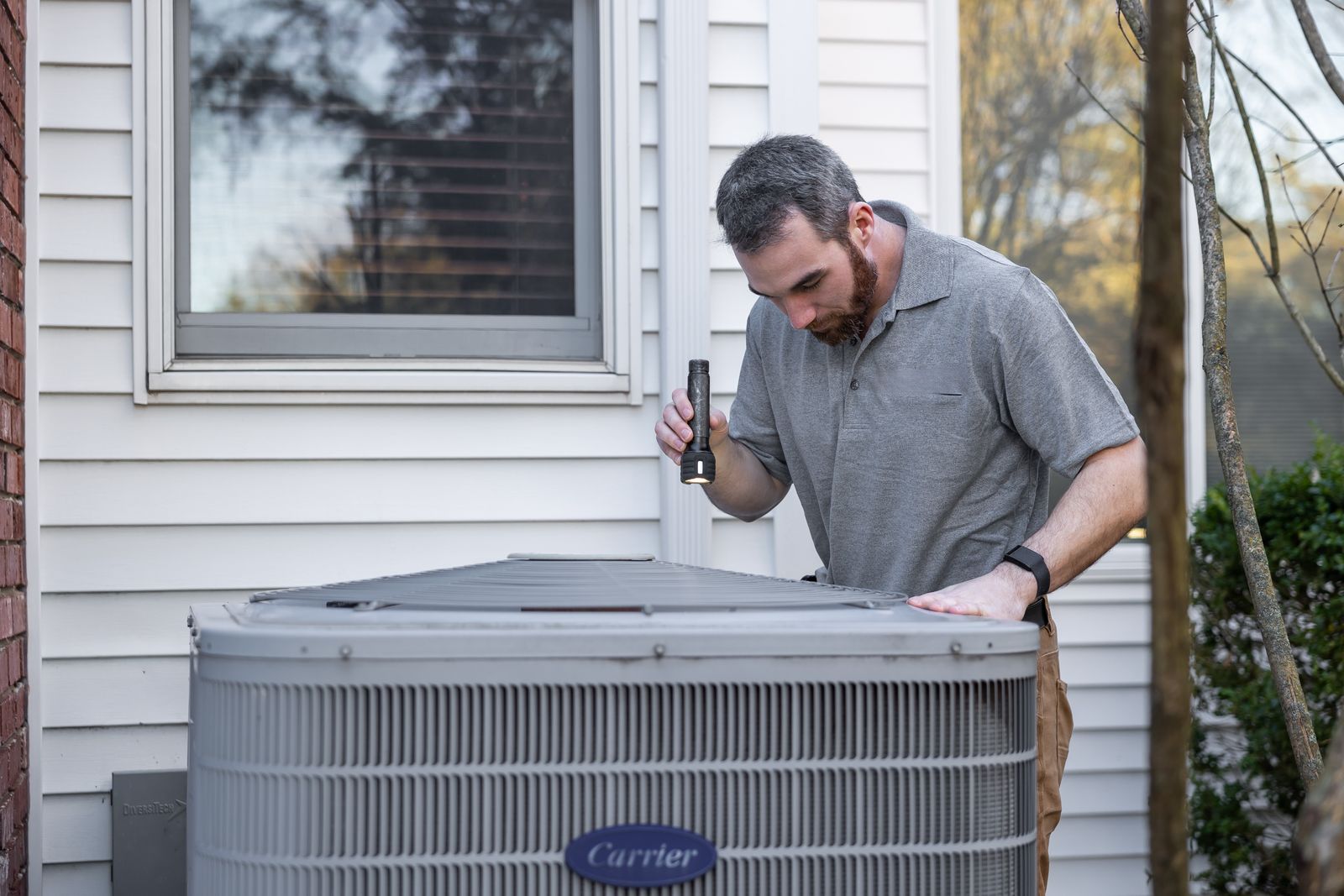
While you are on a job like this, the next caller is deciding whether to wait or ring a competitor. A system that answers settles that for them.
What an AI receptionist actually does for a trade
Strip away the marketing and a good AI receptionist does four jobs, in this order. If it only does the first one, it is answering calls, not capturing customers.
- Answer. It picks up instantly, every time, day or night, in your business name. No ring-out, no voicemail dead end. For texts and web form enquiries it can reply in seconds too.
- Qualify. It asks the few questions that matter for your trade: what the problem is, where the property is, whether it is an emergency, and whether they are an existing customer.
- Book or route. It checks your real availability and puts the job in the diary, or, if the job needs you on the phone, it flags it as urgent and hands it over with the details already gathered.
- Sync. It pushes the lead and the notes into your CRM or job software, whether that is Jobber, ServiceTitan or Housecall Pro, and pings you, so the job never lives only inside a phone system you forget to check.
The point is not a clever robot voice. It is that the phone always gets answered and the lead is captured instead of lost.

Every answered call is a job that does not go to the competitor. That is the whole return on an AI receptionist.
What it cannot do, and should not pretend to
Be clear-eyed here, because the hype around this gets breathless.
An AI receptionist will not diagnose a tricky fault over the phone. It should not quote firm prices on a complex job, because it does not know what it will find behind the wall. And it cannot calm down a genuinely upset customer the way a person can. A good system knows those limits and hands the call to you cleanly, with the context already captured, rather than bluffing. The goal is to make sure the call is answered and the lead is qualified, not to fool anyone.
AI receptionist, human answering service, or voicemail
There are really four options, and they sit on a clear scale of cost and capability.
| Option | Answers 24/7 | Books the job | Knows your trade | Relative cost |
|---|---|---|---|---|
| Voicemail or nothing | No | No | No | Free, loses the most |
| Human answering service | Sometimes | Rarely | No | Highest |
| Off-the-shelf AI receptionist | Yes | Often | No | Low monthly |
| Custom AI receptionist | Yes | Yes | Yes | Setup, then low |
Voicemail loses the most, and is fine only if the phone is not a real source of work, which for most trades it plainly is. A human answering service feels personal but is the most expensive, the agents do not know your trade, and they usually cannot see your calendar to book the job. An off-the-shelf AI receptionist, the kind sold by tools like Goodcall or Smith.ai, answers 24/7 and often books, for a fraction of the cost, but it lives in its own world and only does what the vendor built. A custom-built system answers and books like those, but is wired into your actual stack: your booking calendar, your CRM and dispatch, your tone of voice and your qualifying questions. That integration is exactly what we design at MeltFlex Solutions, and you can see how it comes together in our AI receptionist case study.
How to choose without overpaying
Here is the honest decision rule, even when it means you do not need anything fancy.
If your call volume is modest and a simple booking link would basically do the trick, start with an off-the-shelf AI receptionist. It is quick, cheap, and good enough. Do not pay for custom work you will not use.
You have outgrown the off-the-shelf tools when the call has to trigger things downstream: assigning the job to the right engineer, syncing with a dispatch board, following your specific emergency logic, or sounding genuinely like your firm rather than a generic assistant. That wiring between the call and the rest of your operation is where a custom system earns its cost.
Whichever way you go, the deeper fix is the same one we cover in how to stop missing customer calls with AI: the phone always gets answered, and the lead never has to ring the next plumber on the list.
Setting it up so it does not sound like a robot
Setting one up properly is not a weekend job, and the failures are predictable.
The work is in the details: the greeting and questions for your trade, connecting it to your calendar, defining exactly when it should escalate an emergency to you, and testing it against real calls before you trust it. The common ways it goes wrong are a system that books jobs into slots you cannot make, one that never escalates so a burst pipe gets treated like a routine quote, and one that sounds so robotic it puts callers off.
All of those are avoidable, but only if someone sweats the setup instead of flipping it on and hoping. Once it is live, watch three numbers: your answer rate, which should sit near 100 percent, the share of calls that turn into a booked job, and how fast leads get a response.
The win is not a robot that talks. It is a phone that is never unanswered again, even when you are flat out on a job.
What to automate next
Once the phone is handled, the same approach tidies up the rest of the busywork that eats a trade owner's evenings: the review request the day after a job, the quote that chases itself, and the reminder before an appointment. If you want a head start on the writing side of that, our ChatGPT prompts for contractors cover the messages worth automating first.
Frequently asked questions
Will my customers know they are talking to an AI?
A good system is upfront and natural rather than pretending to be a person. In practice most callers do not mind, because what they want is to be answered and booked quickly instead of hitting voicemail at 8pm.
Can an AI receptionist actually book jobs into my calendar?
Yes, if it is connected to your booking system. It checks real availability and books the slot, which is the whole point. Tools that only take a message and leave the booking to you later are doing half the job.
How much does an AI receptionist cost for a plumbing or HVAC business?
Off-the-shelf tools typically run on a modest monthly subscription, far less than a human answering service. A custom system wired into your calendar and CRM costs more to set up because of the integration work, and pays for itself fast when the phone is central to your revenue.
What happens with an emergency call out of hours?
A well-built system spots the urgent keywords, captures the property and the fault, and escalates to you or your on-call engineer straight away, rather than booking it for next Tuesday.
Is an AI receptionist only worth it for big firms?
No. A one-van plumber arguably benefits most, because there is no office staff to catch the phone when you are on a job. The smaller the team, the more calls slip.
Sources and further reading
- Missed business call statistics - data on how many inbound calls home service businesses miss and what it costs.
- Lifetime value of a plumbing customer - breakdown of average job value and customer lifetime value for plumbers.
- HVAC customer lifetime value - why an HVAC lead is worth far more than a single call.
Image credits: hero photo by rick, via Wikimedia Commons, licensed under CC BY 2.0. HVAC photo via Pexels.