AI Voice Generators in 2026: An Honest Guide to Text-to-Speech, Voice Cloning & Voice Agents
Two years ago you could spot an AI voice in half a second. The robotic cadence, the weird emphasis on the wrong word, the way every sentence landed flat. That tell is mostly gone now. The best AI voice generators in 2026 produce speech that passes for human in a podcast intro, an explainer video, or a phone call, and that is exactly why it pays to understand them properly before you pick one.
Here is the honest problem with most "best AI voice generator" lists. They are affiliate roundups. Every tool is revolutionary, every voice is indistinguishable from human, and nobody tells you what breaks when you actually ship something.
We build AI systems for businesses, so we care less about which tool wins a demo and more about which one survives contact with real work. Below is what we tell people who ask us where to start.
Modern speech models turn a line of text into something that breathes. The hard part is everything around the audio.
What an AI voice generator actually does
Strip away the marketing and these tools do one of three jobs.
Text-to-speech (TTS) turns written words into spoken audio. You type a script, pick a voice, and get a clean recording. This is the workhorse for narration, audiobooks, e-learning, and video voiceover.
Voice cloning copies a specific person's voice from a short sample, sometimes as little as ten seconds, and then makes that voice say anything. This is what powers personalised audio, dubbing in someone's own voice, and consistent brand narration across hundreds of clips.
Voice agents go a step further. They listen, understand, and speak back in real time, so a customer can have an actual conversation with software. This is the fastest-growing category, and it is where most of the business value now sits.
Which one you need decides everything else. A creator making YouTube voiceovers and a company building a phone line that books appointments are solving completely different problems with completely different tools.
The AI voice tools worth knowing in 2026
For realistic narration and voiceover
ElevenLabs is still the name most people reach for, and for good reason. It is the closest thing to a default, with strong multilingual TTS, dubbing into dozens of languages, sound effects, and a clean API. If you want one tool that does most jobs well, start here.
If you want options, MiniMax Speech 02 HD is one of the most feature-complete systems around, with hundreds of voices, emotion presets, and fine control over pauses and interjections. Fish Audio is worth a look too, especially if fast, low-cost cloning from a tiny sample matters to you.
The catch with all of them is simple. A great voice reading a mediocre script still sounds like a mediocre script. The model fixes the delivery, not the writing.
For voice cloning on a budget (and open source)
If you need control, privacy, or to run things yourself, the open-source side has caught up fast. Chatterbox, Coqui XTTS, OpenVoice, and newer models like Fish Speech and IndexTTS-2 can clone a voice and speak in multiple languages without sending your audio to anyone else's servers.
The trade-off is real, though. Open source means you own the setup, the GPU bill, and the debugging. It is brilliant for teams with technical hands on deck and frustrating for everyone else.
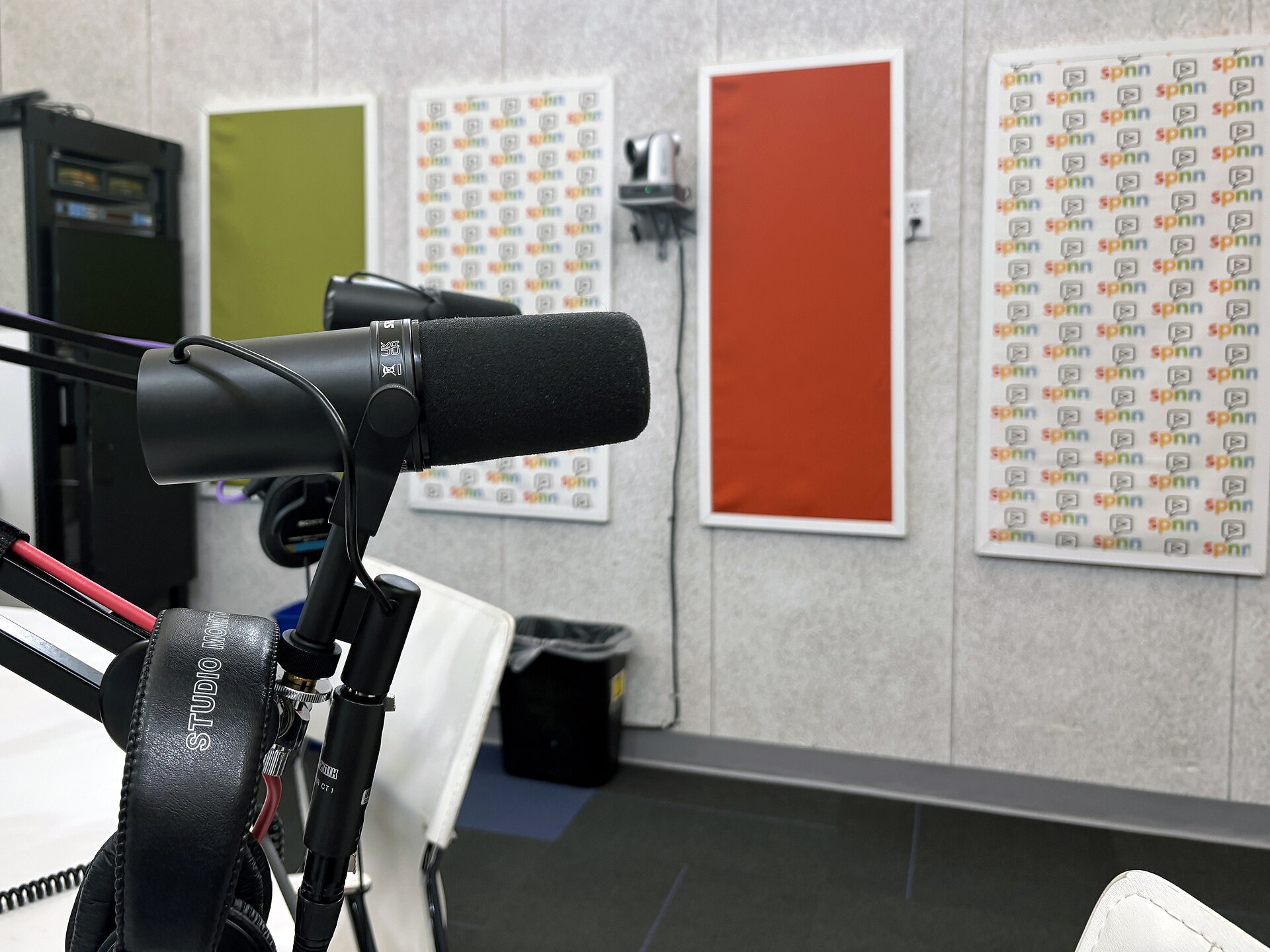
Cloning a voice well still starts with a clean sample. Garbage in, garbage out applies to audio more than anywhere.
For voice agents and phone automation
This is the category we get asked about most. A voice agent answers the phone, understands what the caller wants, and responds naturally, whether that means booking the appointment, answering the FAQ, or routing the call. The pieces finally work together fast enough to feel like a real conversation rather than a clumsy menu of options. Speech-to-text, a language model, and low-latency TTS now run quickly enough to keep up with a human.
For a clinic, a trades business, or any team drowning in repetitive calls, this is the highest-value way to use AI voice right now. The limit is latency and edge cases, not believability.
How to pick the right one
Do not start with the tool. Start with the end result.
Ask what the output has to be. A polished narration track, a cloned brand voice, and a live phone agent are three different finish lines that reward three different tools. Ask how natural it truly needs to sound, because a voice that is 90 percent good is fine for an internal training video and not fine for your flagship ad. Ask whether latency matters, since pre-rendered audio can take its time but a real-time agent cannot. And ask where your audio is allowed to live, because cloning a real person's voice carries privacy and consent rules you do not want to learn about after launch.
Answer those four honestly and the shortlist usually picks itself.
Where AI voice generators still fall short
This is the part the affiliate lists skip, and it is the part that actually helps you.
Emotion is still hit or miss. The voices sound human, but ask for genuine sarcasm, grief, or a perfectly-timed joke and you will re-roll the generation several times. Pronunciation of names, brands, and acronyms goes wrong constantly, so anything with unusual words needs a human pass. Real-time agents still stumble on interruptions, crosstalk, and callers who go off-script. And the ethical line matters, because cloning a voice without clear consent is a fast way to lose trust, and a growing number of places require you to disclose synthetic audio.
The teams getting real value are not pretending the model is flawless. They use it for the 80 percent that is repetitive and keep a human on the 20 percent that needs judgement.
Turning a voice tool into a workflow
Here is the thing we tell every client. One clever voice app is a party trick. A connected workflow is an advantage.
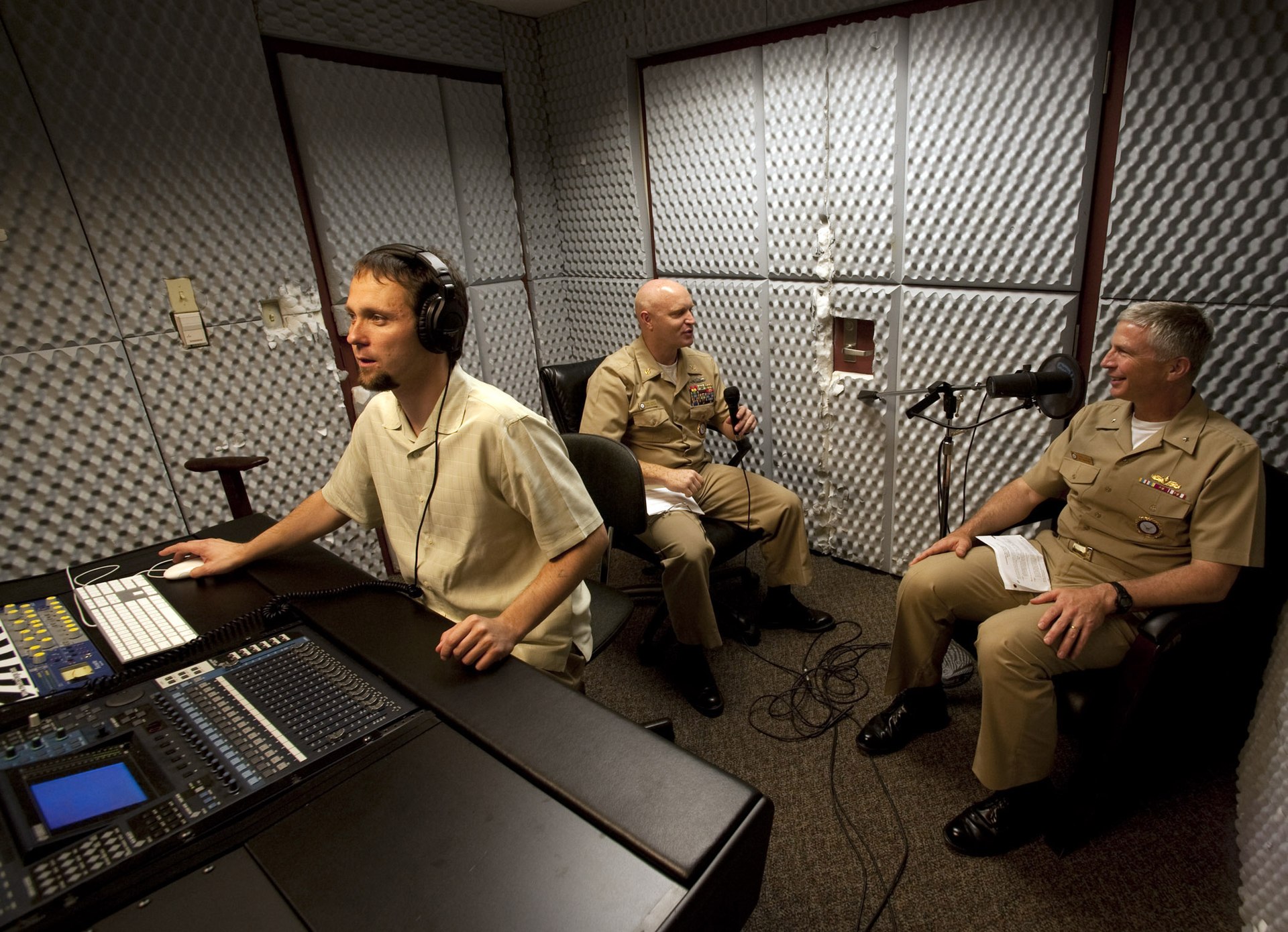
The voice is the easy part. The wins come from wiring it into how the business already runs.
A pattern that works looks like this. The trigger fires on its own, whether that is a new caller, a fresh blog post to narrate, or a batch of product descriptions to voice. The audio generates automatically in your brand voice. A human approves anything customer-facing. And the result flows where it needs to go, whether that is a published episode, a video timeline, or a logged and summarised phone call sitting in your CRM.
That last step is where the hours actually disappear. Not in generating the audio, but in everything around it, like the routing, the logging, the follow-up, and the "who handles this now."
The goal was never to replace the human voice. It is to delete the repetitive speaking and listening so people can spend their time where it counts.
Where MeltFlex Solutions fits in
We do not sell a single voice app. What we build is the connected system that ties these tools into how a business really runs.
For a service business, that might mean a voice agent that answers calls after hours, books appointments, and drops a clean summary into your inbox. For a content team, it might mean turning every new article into a narrated version automatically, in a consistent brand voice, without anyone touching an audio editor.
The tools in this article are the raw material. The advantage comes from how you wire them together, and that is exactly what we design and deploy. The voice-agent version of this is live in our AI receptionist case study, where it answers every business call and books the job.
Questions people ask us
What is the best AI voice generator in 2026? For most people, ElevenLabs is the safest starting point because it does narration, cloning, and dubbing well. If you need open source or tight cost control, look at Fish Speech or Coqui XTTS. For phone automation, the right answer is a voice-agent stack, not a TTS app.
Are AI voice generators free? Most have a free tier with limited characters or minutes. Commercial use, high-quality cloning, and API access almost always sit behind a paid plan.
Is AI voice cloning legal? Cloning your own voice, or one you have clear permission to use, is fine. Cloning someone else's without consent is not, and many regions now expect synthetic audio to be disclosed. Get permission in writing and stay on the right side of it.
Can AI voices replace voice actors? For high-volume, functional audio like e-learning, phone menus, and internal video, they already do a lot of the work. For performances that carry real emotion or a brand's signature voice, a person still wins. Most smart teams use both.
So that is the honest version. The voices are genuinely good now, but the win is not the voice itself. It is what you build around it.
Want to turn AI voice into a workflow that quietly handles calls or content for your team? Book a free call and we will map out where it pays off fastest.
Image credits: podcast microphone photo by Myotus, via Wikimedia Commons, licensed under CC BY 4.0. Recording session photo by Mass Communication Specialist 2nd Class Joshua Hammond, U.S. Navy, public domain.